
July 17, 2026
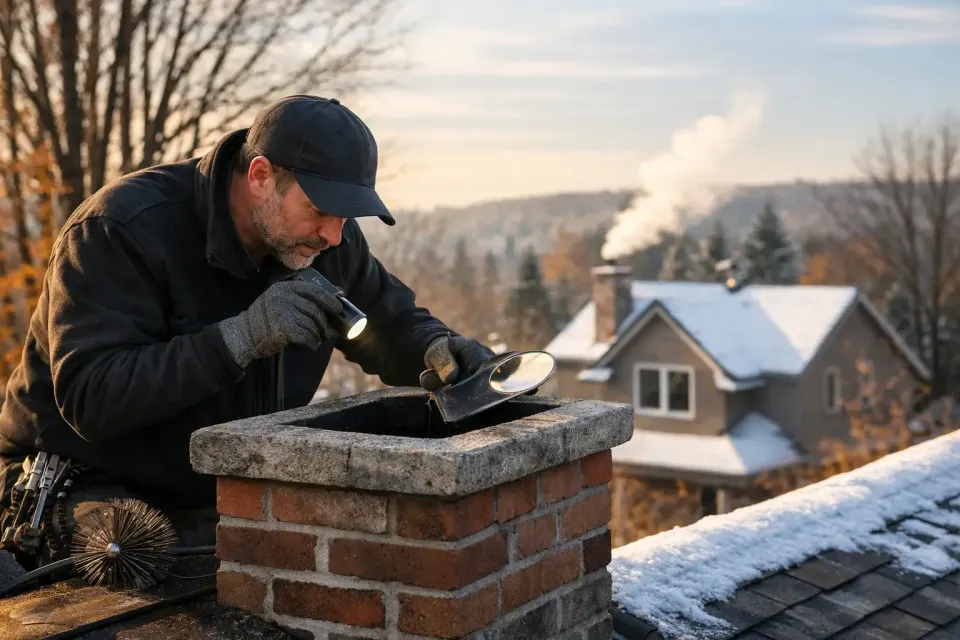
The first cold night is a bad time to find out your fireplace is not ready. A smoky room, weak draft, or chimney odor can turn a comfortable evening into an urgent call. A chimney inspection before winter gives you time to find problems while scheduling is easier, repairs are more manageable, and your home is not relying on the fireplace for warmth.
For homeowners, landlords, and property managers in New York City and New Jersey, this is practical seasonal maintenance. Chimneys deal with rain, wind, humidity, freezing temperatures, and long periods of disuse. An inspection helps confirm that smoke, gases, and heat have a clear path out of the building before the heating season begins.
Why chimney problems often show up in winter
A chimney may look fine from the ground and still have conditions that affect safety or performance. During the warmer months, birds, squirrels, leaves, nesting material, and other debris can enter an uncapped or damaged flue. Moisture may also work into cracked masonry, loose mortar, or a failing chimney crown.
Once fires start again, those issues become more obvious. A blockage can push smoke or carbon monoxide back toward the living space. A damaged flue liner can allow heat and combustion byproducts to reach areas where they do not belong. Creosote, the dark residue left by burning wood, can build up over time and increase the chance of a chimney fire.
Winter weather can make existing damage worse. Water that enters small cracks can freeze and expand, loosening brick, mortar, flashing, and chimney components. Catching concerns before repeated freeze-thaw cycles begin is usually simpler than waiting until there is an active leak, smoke problem, or visible masonry damage.
What a chimney inspection before winter can uncover
A professional inspection is more than a quick look inside the firebox. The goal is to assess whether the chimney system is structurally sound, clear enough to vent properly, and suitable for use. The exact scope depends on the chimney type, its condition, and whether there have been changes or warning signs since the last service.
Creosote buildup and flue obstructions
Wood-burning fireplaces produce creosote in varying amounts. The type of wood, how dry it is, the temperature of the fire, and the chimney draft all affect buildup. Slow-burning fires and wet wood can create more residue than clean, hot fires with seasoned firewood.
An inspection can identify buildup that should be removed through chimney sweeping. It can also reveal obstructions such as leaves, nests, broken flue material, or debris that has fallen into the chimney. Even a partial blockage can affect airflow and make it harder for smoke to leave the home.
Cracks, loose parts, and water entry points
Masonry chimneys are exposed to the elements year-round. Inspectors look for cracked bricks, deteriorating mortar joints, damaged crowns, missing caps, loose flashing, and signs of water stains around the chimney area. These issues are not only cosmetic. Water is one of the main reasons chimney structures deteriorate.
Inside the flue, cracks or gaps in the liner matter because the liner helps contain heat, smoke, and combustion gases. If a liner has been damaged, the fireplace should not be used until a qualified professional evaluates the repair options.
Draft and damper concerns
The damper should open and close properly. If it sticks, does not seal, or cannot open fully, the fireplace may be difficult to use safely and efficiently. A draft problem can also be caused by a cold flue, an obstruction, house pressure issues, or chimney design.
Some draft problems have a simple fix. Others require a closer look, especially if smoke enters the room repeatedly or if occupants notice unusual odors. Do not assume opening a window solves the underlying issue.
Signs of animal activity
Chimneys can attract birds and small animals looking for shelter. Nesting materials are combustible and can block the flue. Animals may also become trapped inside, creating odors and sanitation concerns.
A proper chimney cap helps reduce this risk while still allowing the chimney to vent. If an inspection finds animal activity, it is best to address removal and entry prevention before lighting the first fire of the season.
Inspection and chimney sweeping are not the same service
These services work together, but they are different. A chimney inspection evaluates the condition and safety of the system. Chimney sweeping removes creosote, soot, and loose debris from the flue and fireplace area.
If you have used your fireplace regularly, a sweep may be recommended at the same visit. If the chimney has been unused for a long time, an inspection is still worthwhile because blockages, moisture damage, and animal entry can happen without a single fire being lit.
The right timing also depends on the appliance. Wood-burning fireplaces and stoves need special attention because they create creosote. Gas fireplaces do not create creosote in the same way, but they still need inspection for venting problems, burner issues, damaged components, and debris in the vent path. Never treat a gas fireplace as maintenance-free.
When should you schedule service?
Late summer through early fall is often the best window. You can handle cleaning or repairs before cold weather arrives and before the busiest fireplace-service period begins. That said, it is never too late to book if you have not yet used the fireplace. It is better to inspect it before the next fire than to guess that everything is fine.
You should schedule sooner if you notice smoke entering the room, a strong smoky or musty odor, visible soot around the fireplace opening, falling debris, water stains near the chimney, damaged brickwork, or signs of animals. These are reasons to pause use until the system has been checked.
For a recently purchased house, condo, or rental property, an inspection is a smart starting point even if the prior owner says the fireplace was rarely used. You may not know when it was last cleaned, whether the chimney experienced a leak, or if a prior repair was completed correctly.
What homeowners can do before the appointment
You do not need to clean the chimney yourself before an inspection. In fact, trying to brush the flue without the right equipment can make a mess, miss hidden buildup, or damage components. A few simple preparations can help the visit go smoothly.
Clear furniture, décor, and stored items away from the fireplace area. Avoid using the fireplace for at least 24 hours before service so ashes and components are cool. If you have noticed odors, smoke, leaks, or strange sounds, make a note of when they occur. That information can help the technician narrow down the cause.
Outside, do not climb onto the roof to inspect the cap or crown unless you are trained and equipped to do so. Roof access brings real fall risks, especially when surfaces are wet or icy. A visual check from the ground is enough for a homeowner. Leave close-up roof and flue evaluation to a professional.
Make fireplace use safer all season
An inspection is the first step, not a substitute for safe burning habits. Burn dry, seasoned wood in a wood-burning fireplace. Keep the damper fully open before starting a fire, and use a fireplace screen to reduce sparks. Do not burn trash, treated lumber, cardboard, or large amounts of paper, which can create excessive heat and residue.
Keep working smoke alarms and carbon monoxide alarms in the home, particularly near sleeping areas. Carbon monoxide has no smell, and a chimney that does not vent correctly can create a serious hazard. If an alarm sounds or anyone feels dizzy, nauseated, confused, or unusually tired while a fireplace is in use, get outside and seek help immediately.
If you have a chimney cap, check it visually after major storms for obvious damage. If you do not have one, ask whether a properly fitted cap is appropriate for your chimney. It can help keep out rain, debris, and animals, though it should be installed without restricting safe venting.
A small appointment can prevent a bigger winter problem
A fireplace should add comfort to a cold evening, not introduce smoke, odors, or uncertainty into your home. Scheduling early gives you a clearer picture of what your chimney needs, whether that is a routine sweep, a minor repair, or simply confirmation that it is ready to use.
Air Care Technologies provides professional chimney sweep services for homes and properties throughout New York City, nearby Westchester communities, and New Jersey. Before the temperature drops, give your chimney the same attention you give the rest of your home’s heating and air systems. It is a straightforward way to start winter with fewer surprises.